



Bwindi Impenetrable National Park
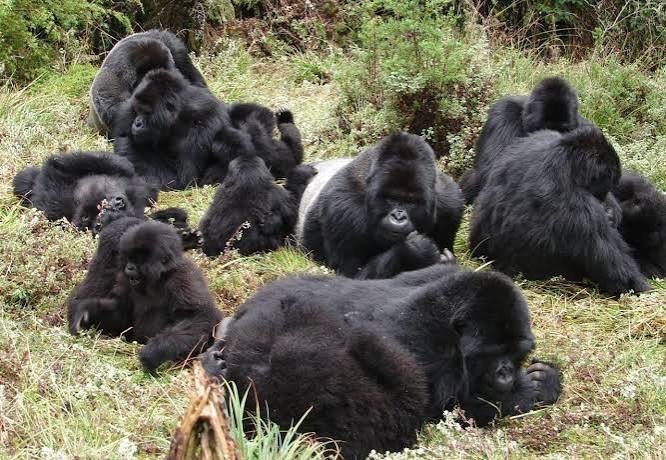
Bwindi Impenetrable National Park is one of Uganda’s most extraordinary wildlife destinations and one of the most celebrated places in Africa for intimate encounters with endangered mountain gorillas. Hidden among the mist-covered hills of southwestern Uganda, this ancient tropical rainforest offers travelers an opportunity to step into a remarkably rich ecosystem where steep forested ridges, tangled vegetation, streams, valleys, and towering trees provide a natural sanctuary for mountain gorillas and an impressive variety of other wildlife. For travelers dreaming of gorilla trekking in Uganda, Bwindi Impenetrable National Park is one of the country’s most important destinations and a major highlight of many Uganda safari itineraries.
The experience of visiting Bwindi goes far beyond seeing mountain gorillas. The national park is an extensive forest ecosystem filled with birds, butterflies, primates, mammals and diverse plant life. Its landscapes are dramatic, its communities are culturally rich, and its trekking trails provide adventurous travelers with an opportunity to explore one of East Africa’s most fascinating natural environments. Whether you are planning a dedicated Bwindi gorilla trekking safari, combining gorilla trekking with wildlife viewing elsewhere in Uganda, or including Bwindi as part of a longer East African journey, the destination provides an experience that is very different from a traditional savannah safari.
At Gabba Gorilla Expeditions, we organize Bwindi gorilla trekking safaris for travelers seeking professionally planned journeys into southwestern Uganda. From arranging gorilla trekking permits and suitable accommodation to organizing private transportation, experienced safari guides and additional activities, our aim is to make visiting Bwindi Impenetrable National Park convenient, rewarding and memorable. Understanding Bwindi before traveling is particularly important because the park contains different trekking sectors, accommodation areas and access routes. Choosing the right sector can significantly influence the overall safari experience.
Where Is Bwindi Impenetrable National Park Located?
Bwindi Impenetrable National Park is situated in southwestern Uganda, close to the country’s borders with Rwanda and the Democratic Republic of Congo. Its position within the mountainous southwestern region gives the park a striking landscape characterized by steep hills, deep valleys and densely forested slopes. The terrain is one of the features that makes a journey to Bwindi memorable even before visitors enter the forest. Roads approaching the park pass through rural communities, agricultural landscapes, highlands and scenic valleys that reveal a different side of Uganda from the open savannahs found in many of the country’s better-known wildlife areas.
The park’s southwestern location also makes it possible to incorporate Bwindi into several different safari circuits. Travelers arriving through Entebbe or Kampala can visit other destinations before continuing south toward Bwindi, while some itineraries can be organized through Rwanda depending on current border requirements, routing and the traveler’s wider itinerary. This geographical position has helped make Bwindi gorilla trekking an important component of both Uganda-only safaris and longer East African adventures.
Bwindi should not be thought of as a destination with one single entrance where every gorilla trek begins. Gorilla tourism is organized around different sectors located in separate areas of the forest. These are Buhoma, Ruhija, Rushaga and Nkuringo. Each sector provides access to designated gorilla trekking activities and has its own accommodation options, landscapes, road connections and character. Understanding these sectors is therefore essential when planning a gorilla trekking safari in Bwindi Impenetrable National Park.
Why Bwindi Impenetrable National Park Is Famous
Bwindi Impenetrable National Park is internationally known primarily because of its mountain gorillas. These remarkable primates survive naturally only within a very limited part of East and Central Africa, making every protected mountain gorilla habitat exceptionally important for global conservation. Trekking through Bwindi provides visitors with the possibility of encountering habituated mountain gorillas in their natural forest environment under carefully managed tourism regulations.
What makes the experience particularly powerful is the environment in which the encounter takes place. Mountain gorillas are not viewed from a safari vehicle. Visitors travel on foot with trained guides and trackers, following forest trails and sometimes moving through thick vegetation and challenging terrain. Depending on where a gorilla family is located, the search can vary considerably in duration and physical difficulty. The uncertainty is part of the adventure. Eventually reaching a gorilla family after walking through the forest can make the encounter feel especially rewarding.
Once the gorillas are located, visitors observe their behavior from a regulated distance and under the instructions of the guiding team. A gorilla family may be feeding, resting, grooming, moving through vegetation or interacting socially. Young gorillas may play while adults remain nearby, and the powerful silverback can often be seen maintaining awareness of the group’s surroundings. These observations give visitors a glimpse into the sophisticated social lives of mountain gorillas and help explain why gorilla trekking in Bwindi has become one of Africa’s most sought-after wildlife experiences.
Yet Bwindi’s importance is considerably broader than gorilla tourism. The park protects an ancient and biologically diverse forest containing numerous species of plants, birds, butterflies, mammals and other primates. For birdwatchers, hikers, conservation enthusiasts and travelers interested in African rainforest ecosystems, Bwindi offers many reasons to stay beyond the gorilla trek itself.
The Ancient Rainforest of Bwindi
The word “impenetrable” immediately gives travelers an impression of the character of Bwindi’s vegetation. Although established trails and tourism infrastructure allow visitors to explore designated sections of the park, much of the forest is extraordinarily dense. Vines, shrubs, ferns, trees and other vegetation create multiple layers of greenery across a rugged landscape of hills and valleys.
Walking through the forest is therefore a completely different experience from exploring Uganda’s savannah national parks. Instead of looking across broad grasslands, visitors enter a world where wildlife can be concealed only a short distance away by dense vegetation. Sounds become particularly important. Bird calls echo through the canopy, insects contribute to the background chorus, leaves move as primates travel overhead, and streams flow through valleys below the trails.
This forest environment also shapes the gorilla trekking experience. Mountain gorillas move freely through their natural habitat, and their location changes from day to day. Trackers use their knowledge of gorilla behavior, movements, feeding patterns and signs left within the forest to help locate the designated families. Visitors therefore do not simply walk to a permanent viewing location. Every trek is different, which gives Bwindi gorilla trekking tours their adventurous character.
Mountain Gorillas in Bwindi Impenetrable National Park
Mountain gorillas are the defining wildlife attraction of Bwindi Impenetrable National Park. Their size and physical strength can initially be imposing, particularly when seeing a mature silverback at relatively close range. However, observing a habituated family frequently reveals behaviors that are calm, social and remarkably expressive.
Gorilla families generally revolve around complex social relationships. A mature silverback plays a crucial leadership and protective role, while adult females care for their young and younger gorillas develop through play, exploration and interaction with other members of the group. Watching these behaviors in a natural environment provides visitors with an opportunity to appreciate gorillas as individuals rather than simply as animals on a wildlife checklist.
Gorilla trekking tourism operates under controlled conditions because the welfare of the gorillas must remain the priority. Only habituated gorilla groups designated for tourism are visited, and permits regulate visitor numbers. Trekkers receive a briefing before entering the forest and must follow the instructions provided by park guides during the encounter.
Responsible behavior is particularly important because gorillas are genetically close to humans and can be vulnerable to diseases transmitted by people. Travelers should therefore treat the rules surrounding gorilla trekking as conservation measures rather than inconveniences. Maintaining appropriate distance, avoiding disruptive behavior and following health-related instructions all contribute to protecting the animals that make the experience possible.
Gorilla Trekking in Bwindi Impenetrable National Park
Gorilla trekking in Bwindi Impenetrable National Park is an adventurous guided forest activity in which visitors enter the rainforest in search of a designated habituated mountain gorilla family. The experience normally begins early in the morning at the relevant sector’s briefing point. Park officials explain trekking procedures, conservation rules and appropriate behavior around the gorillas before visitors are allocated to trekking groups.
The walk then begins with professional guides and trackers. The landscape can range from relatively manageable forest trails to steep, muddy and heavily vegetated terrain. Rain can occur even during periods generally considered drier, which means suitable hiking footwear and clothing are essential. The physical challenge should not necessarily discourage travelers, but visitors should provide their tour operator with relevant mobility considerations so that appropriate planning can be made whenever possible.
The duration of a trek cannot be guaranteed because the gorillas move naturally through the forest. Some groups may be located relatively quickly, while other treks can require several hours of walking. This variability is why visitors are normally encouraged to treat the entire day as part of the gorilla experience rather than focusing only on the eventual encounter.
Along the way, the forest itself becomes part of the adventure. Guides may point out plants, birds, primates and signs of wildlife while explaining aspects of the ecosystem. The anticipation gradually builds as trackers communicate information about the gorillas’ movements. Fresh feeding signs, nests or other evidence can indicate that the family is nearby.
Reaching the gorillas is often the defining moment of a Bwindi gorilla safari. After potentially hours of trekking, suddenly seeing a gorilla sitting among the vegetation can be extraordinary. Visitors then follow the instructions of the guiding team while observing and photographing the family during the permitted viewing period.
The experience is intentionally controlled. Gorilla tourism must balance visitor expectations with the need to minimize disturbance to the animals. For this reason, travelers should never attempt to touch the gorillas, deliberately move closer for photographs or disregard instructions from guides. The goal is to observe natural behavior respectfully while leaving as little impact as possible.
The Four Gorilla Trekking Sectors of Bwindi Impenetrable National Park
One of the most important things to understand when planning a safari to Bwindi is that the national park has four principal gorilla trekking sectors: Buhoma, Ruhija, Rushaga and Nkuringo. These areas are geographically separated, and the sector associated with a traveler’s gorilla permit has major implications for accommodation and transportation planning.
A common mistake when independently planning a Bwindi trip is to reserve accommodation without first considering the trekking sector. Because travel between some areas of Bwindi can take considerable time over mountainous roads, staying in the wrong location can create unnecessary logistical problems on trekking morning. At Gabba Gorilla Expeditions, we coordinate the gorilla permit, lodge and transportation so that the itinerary is structured around the correct trekking area.
Buhoma Sector
Buhoma is located in the northern part of Bwindi Impenetrable National Park and has played an important role in the development of gorilla tourism in Uganda. It is one of the best-known areas of Bwindi and has a broad selection of accommodation ranging across different comfort levels.
The area combines gorilla trekking with opportunities to experience the wider forest environment and nearby communities. For travelers designing longer Uganda itineraries, Buhoma can also work well with certain routes connecting Bwindi with other western Uganda safari destinations.
The atmosphere around Buhoma reflects decades of interaction between conservation, tourism and surrounding communities. Visitors can therefore use additional time around the sector to explore community experiences, forest activities and local initiatives rather than departing immediately after their gorilla trek.
Ruhija Sector
Ruhija lies on the eastern side of Bwindi and is particularly attractive to travelers who appreciate mountain scenery, quieter surroundings and birdwatching. The area’s higher elevation can create beautiful views across forested ridges, especially when mist settles over the landscape during the early morning.
Gorilla trekking remains the primary attraction, but Ruhija’s forest environment makes it particularly interesting for visitors who want to pay greater attention to Bwindi’s birdlife and broader biodiversity. The eastern forest is associated with several birding opportunities that make this sector appealing to specialist birdwatchers as well as general safari travelers.
The terrain can be physically demanding in places, which is another reason travelers should prepare properly for trekking. Strong hiking shoes, long trousers, suitable clothing and enough drinking water contribute greatly to comfort during the experience.
Rushaga Sector
Located in southern Bwindi, Rushaga has become one of the country’s important gorilla trekking areas. The sector provides access to multiple habituated gorilla groups and is also associated with the specialized gorilla habituation experience, subject to permit availability and current park arrangements.
Rushaga’s position makes it particularly useful for certain safari itineraries approaching Bwindi from the south. The surrounding highland landscapes are extremely scenic, with cultivated hills, valleys and forested slopes creating memorable views on the journey to and from the trekking area.
Travelers should distinguish between standard gorilla trekking and the gorilla habituation experience when planning a visit to Rushaga. They involve different permits, visitor arrangements and experiences, and availability should be checked well in advance.
Nkuringo Sector
Nkuringo, also in southern Bwindi, is known for dramatic mountainous scenery and rewarding gorilla trekking. The landscapes around the sector are among the most impressive in the Bwindi region, particularly on clear days when distant volcanic peaks and surrounding highlands become visible.
Nkuringo’s terrain has a reputation for being challenging, although the difficulty of any individual gorilla trek ultimately depends on the location of the assigned gorilla family that day. Travelers who enjoy hiking and spectacular landscapes often find this area particularly rewarding.
The development of accommodation around Nkuringo has made it possible for visitors to spend additional time enjoying the surrounding scenery rather than treating the destination purely as a departure point for a gorilla trek.
Gorilla Habituation Experience in Bwindi
Travelers seeking an even more specialized primate experience can consider the gorilla habituation experience in Bwindi Impenetrable National Park. Habituation is the gradual process through which wild gorillas become accustomed to the carefully controlled presence of researchers, conservation personnel and eventually visitors.
This experience differs from conventional gorilla trekking because participants visit a gorilla group undergoing the habituation process rather than following the standard trekking format. The activity is designed for travelers who want deeper insight into gorilla conservation and behavior and who are particularly interested in understanding how researchers and conservation teams work with these primates.
Because places are highly restricted, travelers interested in the gorilla habituation experience should discuss their plans with Gabba Gorilla Expeditions well before their intended travel dates. Permit availability, trekking sector, accommodation and transport all need to be coordinated carefully.
More Than Gorillas: Wildlife in Bwindi Impenetrable National Park
Although mountain gorillas dominate the international reputation of Bwindi, describing the destination simply as a gorilla park significantly understates its ecological importance. The rainforest supports numerous mammals, primates and smaller creatures that together create an exceptionally diverse ecosystem.
Several primate species inhabit the forest alongside mountain gorillas. Visitors may encounter monkeys during forest walks or while traveling through the region, although sightings vary considerably because this is a dense natural habitat rather than an enclosed wildlife environment.
Forest mammals can be much more difficult to observe than animals on open savannahs. This is part of what makes rainforest exploration so fascinating. Animals can remain concealed behind vegetation even when relatively close to a trail, meaning travelers must pay attention to sounds, tracks and other signs rather than expecting continuous clear sightings.
For this reason, Bwindi complements Uganda’s savannah parks extremely well. A traveler might watch elephants, lions, buffaloes and antelopes across open landscapes elsewhere in Uganda before entering Bwindi, where wildlife observation becomes slower, more intimate and focused on the complex rainforest environment.
Birdwatching in Bwindi Impenetrable National Park
Bwindi is also one of Uganda’s outstanding birding destinations. Its location within the Albertine Rift and the diversity of habitats protected by the forest contribute to an impressive variety of birdlife, including species of particular interest to dedicated birdwatchers.
Birding in Bwindi is very different from birding in open savannah environments. Visitors often rely on calls, movement within the canopy and the expertise of knowledgeable guides to locate species concealed among dense vegetation. Early mornings can be particularly rewarding as the forest becomes alive with sound.
Specialist birding trips can dedicate substantial time to Bwindi, while ordinary gorilla safari travelers can add guided birding walks to their itinerary. This provides another reason to spend two or more nights around the park rather than arriving only for the gorilla trek and leaving immediately afterward.
Things to Do in Bwindi Impenetrable National Park
Gorilla trekking is unquestionably the headline attraction, but travelers can build a broader Bwindi experience around forest walks, birdwatching, community visits, cultural encounters, photography and scenic exploration. Spending additional time in the area helps visitors appreciate that conservation in Bwindi involves not only wildlife but also the relationship between the protected forest and communities living around its boundaries.
Guided nature walks provide an opportunity to focus on the smaller details that can easily be overlooked during a gorilla trek. Instead of concentrating on reaching a particular gorilla family, travelers can observe vegetation, insects, birds, streams and other elements of the rainforest at a slower pace.
Community-based experiences can provide another perspective on the Bwindi region. When responsibly organized, they allow travelers to learn about local livelihoods, traditions and the ways communities interact with tourism and conservation.
For photographers, Bwindi presents both remarkable opportunities and genuine challenges. Forest light can change quickly, vegetation is dense and gorillas may move between bright and shaded areas. Travelers should therefore prepare camera equipment carefully and remember that flash photography around gorillas is not permitted.
How to Get to Bwindi Impenetrable National Park
Accessibility is an important part of planning a Bwindi Impenetrable National Park safari because the forest lies in southwestern Uganda, several hours by road from the Kampala-Entebbe area. Travelers can reach the park either by road or by using domestic flights combined with road transfers.
Getting to Bwindi by Road
Traveling by road provides an opportunity to see Uganda’s changing landscapes and rural countryside. The journey from the Kampala or Entebbe area is long enough that most travelers should treat it as a significant travel day. A private safari vehicle with an experienced driver-guide is generally the most convenient option because it provides flexibility for stops and ensures onward transportation around the Bwindi region.
Road conditions vary depending on the route, weather and final trekking sector. The last portions of the journey can involve mountainous and unpaved roads. During rainy periods these roads may become slower and more demanding, making an appropriate safari vehicle particularly valuable.
Longer Uganda safaris can avoid making Bwindi feel like an isolated long-distance transfer by incorporating other destinations along the route. This allows travelers to experience a broader variety of Uganda’s landscapes and wildlife before or after gorilla trekking.
Getting to Bwindi by Air
Travelers who prefer to reduce road travel can consider scheduled or chartered domestic flights to airstrips serving southwestern Uganda, followed by a road transfer to the relevant Bwindi sector. The most appropriate airstrip depends on the location of the lodge and trekking sector, which is why flight planning should be coordinated with the complete itinerary rather than booked independently.
Flying can be particularly attractive for luxury travelers, visitors with limited holiday time or guests combining Bwindi with several distant safari areas. Even when flying, however, some road transportation remains necessary because Bwindi’s lodges and trekking points are distributed around mountainous terrain.
Best Time to Visit Bwindi Impenetrable National Park
Bwindi can be visited throughout the year, and gorilla trekking operates across different seasons. However, weather conditions influence trail difficulty, road conditions and the overall trekking experience.
Periods that are generally drier are popular because forest trails may be less muddy and road travel can be easier. These periods also attract considerable demand, meaning gorilla permits and preferred lodges can sell out well in advance.
Rainier periods should not automatically be dismissed. Bwindi is a rainforest, so rain can occur at virtually any time of year. The wetter environment enhances the deep green appearance of the forest and can provide atmospheric conditions for photography. Travelers visiting during wetter months simply need to prepare appropriately with waterproof clothing, suitable footwear and realistic expectations about muddy trails.
The best time to visit Bwindi therefore depends on more than weather. Travelers should consider permit availability, accommodation preferences, the wider Uganda safari itinerary, personal tolerance for rain and their preferred travel season.
For anyone restricted to specific dates, securing the gorilla permit should usually be one of the earliest stages of planning.
Bwindi Gorilla Trekking Permits
A valid gorilla trekking permit is required to participate in a standard gorilla trek in Bwindi Impenetrable National Park. Permits are intentionally limited because gorilla tourism must be carefully controlled to protect the animals and their habitat.
Permit availability can become one of the most important factors when determining travel dates. High-demand periods may fill well ahead of time, particularly for travelers who require several permits for a family or group.
Gabba Gorilla Expeditions can assist travelers with checking permit availability and incorporating the correct trekking sector into the overall safari itinerary. This coordination is important because a confirmed permit influences where a visitor should stay and how transportation should be arranged.
Travelers should also understand that permit regulations and prices can change. Rather than relying on outdated information, visitors planning a safari should confirm the current official requirements and rates at the time of booking.
Where to Stay in Bwindi Impenetrable National Park
Accommodation around Bwindi ranges from relatively simple options to comfortable mid-range lodges and high-end properties. The most important consideration is not simply choosing the most attractive lodge but selecting accommodation that works geographically with the assigned trekking sector.
A lodge located near Buhoma may not be convenient for a trek beginning in Rushaga, for example. Travelers should therefore avoid treating all accommodation advertised as “Bwindi” as interchangeable.
Budget accommodation is suitable for travelers prioritizing the gorilla experience over luxury facilities. Mid-range lodges often provide an appealing balance between comfort, location and price, while luxury properties may offer spacious rooms, elevated service, exceptional views and additional amenities.
At Gabba Gorilla Expeditions, accommodation recommendations are based on the traveler’s budget, trekking sector, preferred comfort level and overall safari style rather than simply selecting one property for every itinerary.
Combining Bwindi with Other Uganda Safari Destinations
One of the advantages of choosing Uganda for gorilla trekking is the possibility of combining Bwindi with other wildlife and nature experiences. A longer itinerary can create an extremely diverse safari incorporating rainforest primates, savannah wildlife, lakes, wetlands and scenic landscapes.
Travelers frequently combine Bwindi with wildlife destinations in western Uganda, creating an itinerary that contrasts the dense rainforest with open savannah environments. Chimpanzee trekking can also complement gorilla trekking for visitors particularly interested in primates.
This diversity makes Bwindi especially suitable for travelers who do not want to fly to East Africa solely for one wildlife activity. A well-designed itinerary can turn the gorilla trek into the centerpiece of a much broader Uganda safari.
Why Visit Bwindi with Gabba Gorilla Expeditions?
Planning a Bwindi safari involves considerably more than reserving a lodge and arriving at the forest. Gorilla permits, trekking sectors, accommodation locations, road transfers, domestic flights, additional activities and the wider safari route all need to work together.
Gabba Gorilla Expeditions organizes customized gorilla trekking safaris built around these practical requirements. We help travelers select an itinerary according to available time, budget, travel interests and preferred level of accommodation while coordinating the key components required for visiting Bwindi.
Our safari planning can include airport transfers, private safari transportation, professional driver-guides, accommodation reservations, gorilla permit arrangements and extensions to other destinations in Uganda and the wider East African region.
For first-time visitors in particular, having the complete journey coordinated by a local safari operator can remove much of the uncertainty surrounding distances, road conditions and trekking-sector logistics.
Ultimately, our aim is not simply to take travelers to Bwindi. It is to design a complete Uganda gorilla trekking safari in which the journey, accommodation, forest experience and additional destinations complement one another.
Conclusion: Experience Bwindi Impenetrable National Park with Gabba Gorilla Expeditions
Bwindi Impenetrable National Park represents one of the most extraordinary combinations of wildlife conservation, rainforest adventure and primate tourism in Africa. Its mist-covered mountains and ancient forest provide sanctuary for mountain gorillas while supporting an enormous variety of other wildlife, birds and plant species.
For many visitors, the moment they finally encounter a mountain gorilla family after trekking through the forest becomes one of the most memorable experiences of their African journey. Yet Bwindi offers much more than that single encounter. Its landscapes, birds, communities, trekking sectors and surrounding highlands make it a destination worthy of deeper exploration.
Whether you are planning a short Bwindi gorilla trekking safari, a luxury fly-in gorilla experience, a Uganda primate safari or an extended wildlife journey combining Bwindi with other destinations, Gabba Gorilla Expeditions can design the itinerary around your interests, available travel time and budget.
A journey into Bwindi is ultimately about entering one of Africa’s remarkable remaining mountain forests and experiencing wildlife where it belongs: in the wild. With thoughtful preparation, responsible tourism and professional safari planning, a visit to Bwindi Impenetrable National Park can become far more than another stop on an itinerary. It can become the defining experience of an African safari.