
Overview;
Preparing for a mountain gorilla encounter is very different from packing for an ordinary African wildlife safari. Gorilla trekking takes travelers away from comfortable safari vehicles and into dense tropical and montane forests where the ground may be wet, muddy, steep, slippery and covered by roots, vines and thick vegetation. Knowing what to pack for gorilla trekking therefore has a direct effect on how comfortable you will be during your adventure. The right waterproof hiking boots can make a slippery forest trail manageable, long trousers and long-sleeved clothing can protect your skin from vegetation, insects and stinging plants, while a lightweight waterproof jacket can become invaluable when rain suddenly begins falling in the forest.
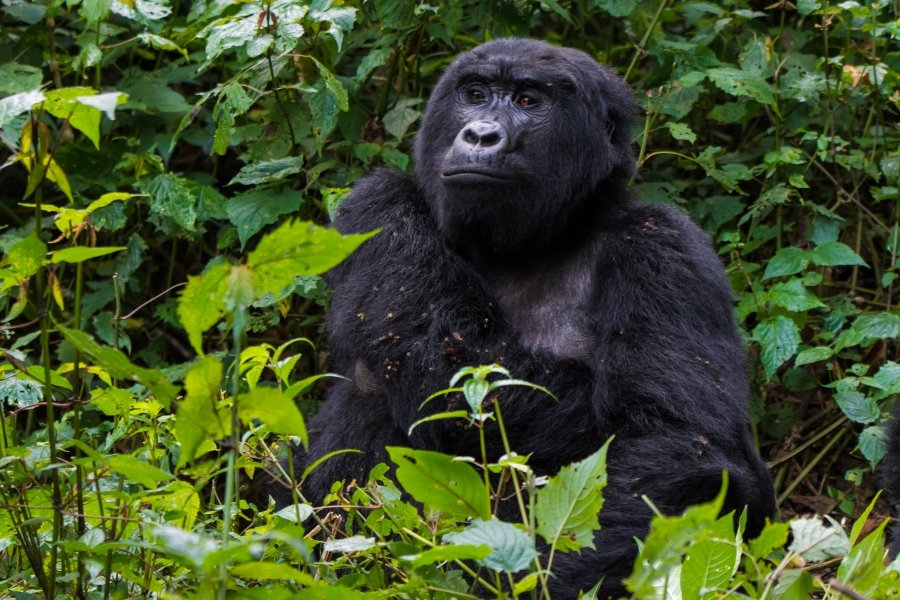
Whether you are preparing for gorilla trekking in Uganda, planning a Rwanda gorilla trekking safari, visiting Bwindi Impenetrable National Park, exploring Mgahinga Gorilla National Park or trekking through Volcanoes National Park, your packing strategy should focus on protection, comfort, mobility and keeping your luggage reasonably light. You do not need to carry an enormous expedition backpack into the forest. Instead, successful preparation involves choosing a relatively small collection of appropriate clothing, footwear, weather protection, personal essentials and photography equipment.
At Gabba Gorilla Expeditions, we help travelers prepare for gorilla trekking adventures in Uganda and Rwanda as part of the safari planning process. Our role as a local tour operator goes beyond arranging transportation and accommodation. We can help coordinate gorilla permits, safari itineraries, accommodation, transfers and practical pre-departure information so that travelers arrive knowing what to expect from their trek.
This comprehensive gorilla trekking packing list explains what to pack, what you should wear, what should go inside your trekking daypack, what photography equipment is useful, what you should leave at your lodge, how to prepare for rain and mud, and how packing requirements can differ between Uganda and Rwanda.
Why Your Gorilla Trekking Packing List Matters
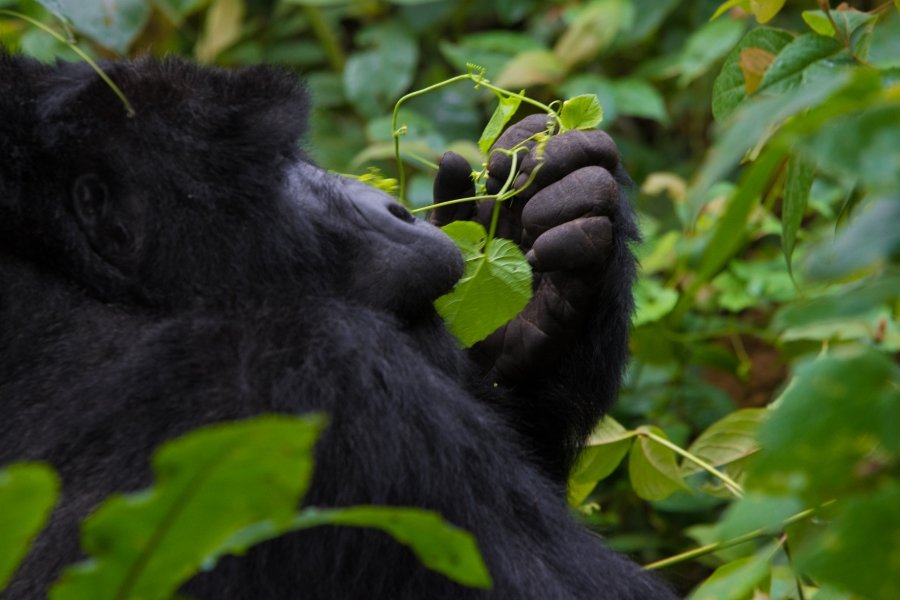
A gorilla trek is fundamentally a forest hiking experience followed by an extraordinary wildlife encounter. Unlike a conventional game drive, where visitors spend much of their time inside a safari vehicle, gorilla trekking requires walking into the forest with guides and trackers in search of a habituated gorilla family.
Conditions can change dramatically during the trek. The morning may begin cool and cloudy, followed by strenuous uphill walking that quickly makes you warm. Rain may arrive later, turning sections of the trail muddy and slippery. Thick vegetation may brush against your arms and legs, while roots and uneven surfaces require careful footing.
This explains why appropriate clothing and footwear matter considerably more than fashionable safari clothing.
The ideal gorilla trekking outfit protects your arms and legs while allowing you to move comfortably. Your footwear should provide traction and support. Your rain jacket should be light enough to carry when it is not raining. Your backpack should hold essential supplies without becoming an unnecessary burden.
The basic principle is simple: pack for a rainforest hike rather than a conventional sightseeing holiday.
What Should You Pack for Gorilla Trekking?
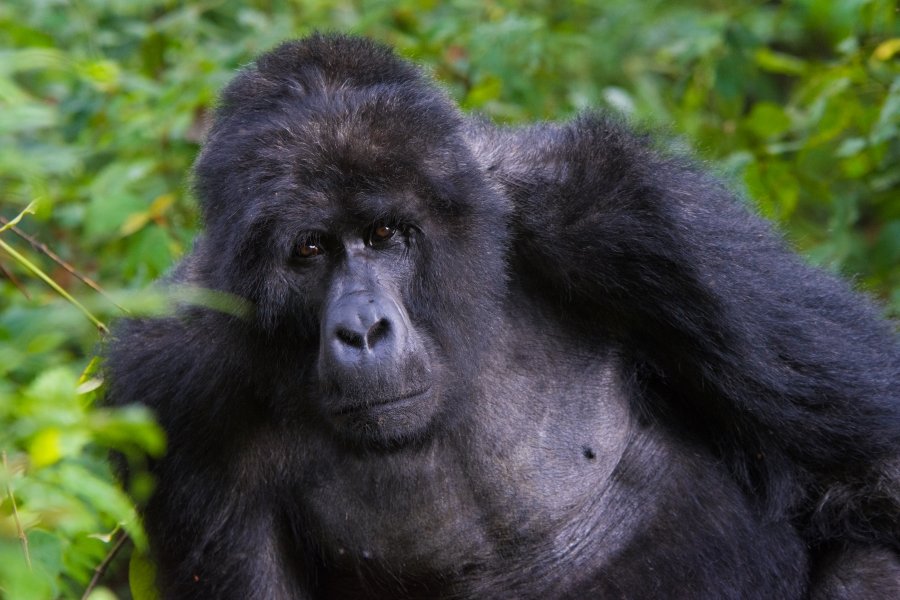
Before looking at individual items in detail, the most important things to prepare are sturdy waterproof hiking boots, long lightweight trekking trousers, a long-sleeved shirt, comfortable hiking socks, a waterproof rain jacket or poncho, gardening or trekking gloves, a small waterproof or rain-protected daypack, insect repellent, drinking water, appropriate snacks, essential personal medication and a camera or smartphone.
Additional items such as gaiters, trekking poles, sunglasses, a hat, waterproof bags for electronics, spare batteries and a lightweight fleece can improve comfort depending on your destination and season.
The important distinction is between what you bring on your gorilla safari and what you actually carry during the gorilla trek. Your main suitcase remains at your lodge or accommodation. Only the equipment required for that day’s forest experience should accompany you.
Waterproof Hiking Boots: The Most Important Gorilla Trekking Item
If you invest extra attention in one part of your gorilla trekking packing list, make it your footwear.
Mountain gorillas inhabit forest environments rather than conveniently maintained tourist paths. Depending on recent weather and the location of the gorillas, you may encounter muddy surfaces, steep slopes, exposed roots, rocks and dense vegetation.
A sturdy pair of waterproof hiking boots with good tread and ankle support provides considerably greater stability than ordinary trainers. Waterproofing becomes particularly useful after rain or when crossing wet forest terrain.
Do not wait until arriving in Uganda or Rwanda to wear brand-new hiking boots for the first time. Walk in them repeatedly before traveling. A technically excellent boot that creates blisters after two hours can become far more problematic than a slightly less sophisticated pair that fits your feet properly.
Comfort and fit should therefore come before appearance.
After trekking, your boots are likely to be muddy. This is entirely normal. Bring a separate pair of lightweight shoes or sandals for relaxing around your lodge so that your hiking boots can dry before another activity.
Should Gorilla Trekking Boots Be Waterproof?
Waterproof boots are strongly recommended.
Bwindi, Mgahinga and Volcanoes are forest environments where rainfall and wet ground are part of the trekking experience. Even when you travel during a relatively dry period, previous rainfall can leave sections of forest wet and muddy.
Waterproof footwear helps keep your socks and feet dry, which becomes increasingly important during a trek lasting several hours.
However, waterproofing should not come at the expense of comfort or grip. Look for hiking footwear that combines water resistance, traction, ankle support and a comfortable fit.
Long-Sleeved Shirts for Gorilla Trekking
A lightweight long-sleeved shirt is one of the most useful pieces of clothing you can bring.
The purpose of long sleeves is primarily protection. Gorilla trekking takes place among dense vegetation where branches, vines, insects and stinging plants can come into contact with exposed skin.
Choose breathable materials that allow perspiration to escape as you walk. Quick-drying trekking shirts are particularly practical because forest humidity and rain can make heavier materials uncomfortable.
You may want to pack two or three suitable long-sleeved shirts if your itinerary includes several forest activities such as gorilla trekking, chimpanzee trekking or golden monkey tracking.
Long Trousers Are Better Than Shorts
Shorts may be comfortable during an ordinary warm-weather holiday, but they are generally a poor choice for gorilla trekking.
Long trousers provide an additional barrier against vegetation, mud, insects and scratches. Lightweight hiking or safari trousers made from quick-drying material are particularly useful.
Avoid extremely heavy trousers where possible. Denim, for example, may feel comfortable when dry but becomes heavier and slower to dry when soaked.
Your trousers should allow unrestricted movement when stepping over roots, climbing slopes or crouching beneath vegetation.
Many trekkers tuck the bottom of their trousers into their socks or use gaiters to reduce the possibility of insects getting inside their clothing.
Why You Need Good Gorilla Trekking Socks
Socks may seem insignificant compared with boots and rain jackets, but they can have a major influence on trekking comfort.
Choose comfortable hiking socks that fit properly inside your boots without bunching. Moisture-management materials can help reduce friction during extended walking.
Consider carrying an additional dry pair, particularly during the rainy seasons or if you are doing multiple trekking activities.
Longer socks are useful because trousers can be tucked into them, creating additional protection around the ankle.
Do You Need Gaiters for Gorilla Trekking?
Gaiters are not always compulsory, but they are extremely useful.
They cover the area where your boots meet your trousers and help prevent mud, vegetation and insects from entering your footwear or reaching exposed skin.
Gaiters become especially valuable during wet conditions when trails are muddy.
If you do not own gaiters, long socks pulled over or securely around the lower section of your trousers can provide a simpler form of protection.
Why Gardening Gloves Are Useful for Gorilla Trekking
A pair of durable gardening or lightweight trekking gloves is surprisingly useful.
During steep or slippery sections of a gorilla trek, you may instinctively reach for branches, vines or vegetation to maintain balance. Gloves help protect your hands from rough surfaces, thorns and stinging plants.
They do not need to be expensive mountaineering gloves. They simply need to fit comfortably, provide reasonable grip and protect your hands without making them excessively hot.
For many first-time travelers asking what to bring for gorilla trekking, gloves are among the easiest items to overlook.
A Waterproof Rain Jacket or Poncho
Never assume that traveling during a relatively dry period means rain gear is unnecessary.
Mountain gorillas live in forest ecosystems where rain can occur unexpectedly. A morning that begins clear can become wet later in the trek.
A lightweight waterproof jacket is therefore preferable to a heavy winter coat. You need something that can be folded into your daypack and quickly retrieved when rain begins.
Breathability is also valuable. You will generate considerable body heat while climbing, and an excessively heavy waterproof layer can become uncomfortable.
Dressing in Layers for Gorilla Trekking
Layering is one of the most practical approaches to deciding what to wear for gorilla trekking.
Early mornings around the gorilla trekking regions can feel cool, especially at higher elevations. Once you begin climbing through the forest, however, physical exertion generates considerable warmth.
A practical system consists of a breathable base layer, long-sleeved trekking shirt, optional lightweight fleece and waterproof outer layer.
The advantage is flexibility. Layers can be removed as temperatures rise and replaced when you stop walking or conditions become cooler.
What Colors Should You Wear for Gorilla Trekking?
Neutral and earthy colors are practical choices for a gorilla trekking safari.
Khaki, brown, olive, grey and similar muted shades work well because they suit outdoor environments and do not show dirt as dramatically as white clothing.
Remember that gorilla trekking is an outdoor activity. Clothes can become muddy, especially after rain. This is not the occasion for delicate white trousers or clothing that you would be upset about staining.
Comfort, protection and practicality should determine your clothing choices.
Choosing the Right Gorilla Trekking Daypack
Your main suitcase does not travel into the forest with you.
Instead, bring a compact daypack large enough to carry water, rain gear, snacks, photography equipment and personal necessities.
A backpack in roughly the small-to-medium day-hiking category is generally sufficient. It should sit comfortably on your shoulders and ideally have a degree of water resistance or a rain cover.
Avoid filling it with unnecessary objects simply because space is available. Every additional kilogram eventually has to be carried uphill.
Your trekking daypack should contain what you genuinely need during the forest excursion, while everything else remains safely at your lodge.
Protecting Your Backpack and Electronics From Rain
Even when your backpack is advertised as water-resistant, consider using additional waterproof protection for important electronics and documents.
A backpack rain cover is useful, while waterproof pouches or dry bags can protect cameras, batteries, phones and other moisture-sensitive equipment.
Simple resealable waterproof bags can also be valuable for smaller items.
Rain protection should be prepared before entering the forest rather than improvised after the first downpour begins.
Drinking Water for Gorilla Trekking
Walking through mountainous forest is physically demanding, and hydration matters.
Carry sufficient drinking water for your trek based on the instructions provided by your guide and tour operator. A reusable bottle or hydration system can be convenient.
Do not wait until you become extremely thirsty before drinking. Taking small amounts regularly during permitted breaks can help maintain hydration throughout the trek.
At Gabba Gorilla Expeditions, practical trekking arrangements and preparation advice form part of helping our guests get ready for their safari activities.
Energy Snacks for the Trek
Your trek could be relatively short or may involve several hours of hiking before locating the assigned gorilla family.
Compact energy-rich snacks can therefore be helpful.
Your lodge may provide packed food depending on your safari arrangements and expected trekking conditions. Follow your guide’s instructions concerning eating and food around wildlife.
The purpose of carrying snacks is to provide energy during the hiking portion of the excursion rather than eating during the gorilla encounter itself.
Insect Repellent
Insect repellent belongs in your East African travel kit, not only for the forest trek but for your wider safari.
Travel health authorities recommend taking precautions against insect bites when visiting Uganda, including protective clothing and appropriate insect repellent.
Apply repellent according to the manufacturer’s instructions and combine it with physical protection such as long trousers, socks and long sleeves.
Travelers should discuss destination-specific medicines, vaccinations and malaria prevention with an appropriately qualified travel-health professional before departure rather than relying solely on a general packing guide.
Sunscreen, Hat and Sunglasses
Although much of your gorilla trek may take place under forest canopy, sun protection remains useful during transfers, briefings and open sections of the trail.
Pack a comfortable hat and appropriate sunscreen. Sunglasses can also be useful before and after entering dense forest.
These items become even more important if your gorilla trek forms part of a longer Uganda or Rwanda safari involving game drives, boat trips or other outdoor activities.
Camera Equipment for Gorilla Trekking
For many travelers, photographing mountain gorillas is one of the most anticipated parts of the experience.
You do not necessarily need professional equipment to return home with meaningful photographs. Modern smartphones and compact cameras can produce excellent images, particularly when animals are relatively close.
Enthusiast photographers may prefer interchangeable-lens cameras with flexible zoom capability. The forest environment can be relatively dark, however, so familiarity with your camera is more important than simply carrying expensive equipment.
Most importantly, understand the photography rules provided during your trekking briefing. Flash photography should not be used around gorillas. Rwanda’s official tourism information specifically recommends a non-flash camera for gorilla trekking.
Learn how to disable your flash before the trek begins.
Camera Batteries and Memory Cards
Imagine finally reaching the gorillas only to discover that your camera battery is empty.
Charge all camera batteries the evening before your trek and consider carrying a fully charged spare.
Memory cards should also have sufficient free capacity. Download or back up photographs from previous safari days before the trek so you are not deleting files while everyone else is watching the gorillas.
Keep batteries and memory cards inside waterproof pouches within your daypack.
Should You Bring a Smartphone?
Yes.
Even photographers carrying dedicated cameras may benefit from keeping a smartphone available as a backup camera.
Phones are also convenient for short video clips and wide-angle photographs. Protect yours from moisture using a suitable waterproof case or pouch.
You may not have reliable connectivity inside remote forest areas, so download anything you genuinely need beforehand.
Personal Medication and a Small First-Aid Kit
Carry essential personal medication in your daypack rather than leaving it in your main suitcase.
A small personal medical kit may include basic supplies appropriate to your individual needs, but travelers with medical conditions or specific medication requirements should consult their healthcare professional before traveling.
Do not treat a generic online packing list as personalized medical advice.
Documents You Need for a Gorilla Trekking Safari
Keep important travel documentation secure and organized throughout your safari.
Depending on your itinerary and destination, this may include your passport, visas or entry documentation, travel insurance information and safari booking documents.
Your tour operator will advise how gorilla permit arrangements and trekking registration are handled for your particular safari.
Protect essential documents from rain by keeping them in waterproof storage.
What to Pack for Gorilla Trekking in Uganda
When preparing specifically for gorilla trekking in Uganda, pack for a humid forest environment and potentially muddy mountain terrain.
Uganda’s principal mountain gorilla destinations are Bwindi Impenetrable National Park and Mgahinga Gorilla National Park.
Your Uganda gorilla trekking packing list should therefore prioritize waterproof hiking boots, long trousers, long sleeves, rain protection, gloves and good socks.
If your itinerary continues into savannah destinations such as Queen Elizabeth National Park or Murchison Falls National Park, you will need additional lightweight safari clothing appropriate for warmer game-drive conditions.
This is one reason we recommend considering your entire Uganda safari itinerary rather than packing only for the gorilla trek.
What to Pack for Bwindi Gorilla Trekking
Bwindi’s very name gives travelers an indication of the environment they are entering: this is a densely vegetated forest landscape rather than an open walking trail.
Prepare for changing terrain and weather.
Quick-drying trekking trousers, long sleeves and waterproof boots become particularly valuable when moving through wet vegetation. Gloves protect your hands when you need to steady yourself, while gaiters can reduce the amount of mud and vegetation reaching your socks and boots.
Your backpack should remain relatively light because carrying unnecessary weight becomes increasingly tiring on steep sections.
Packing for Mgahinga Gorilla National Park
The fundamental packing requirements for Mgahinga are similar to those for Bwindi.
Sturdy footwear, long clothing, rain protection, gloves and layered clothing remain important.
Because a Uganda itinerary may combine gorilla trekking with golden monkey tracking or hiking experiences, travelers planning several activities should bring enough suitable trekking clothing to allow wet items to dry between excursions.
What to Pack for Gorilla Trekking in Rwanda
For gorilla trekking in Rwanda, you will trek in Volcanoes National Park in the northwestern part of the country.
Official Rwanda tourism information recommends sturdy hiking boots and gaiters, gardening gloves, insect repellent, long-sleeved shirts, lightweight safari trousers, a hat and suitable camera equipment without flash.
Layering remains important because higher-elevation conditions can feel cool, particularly during the morning.
A waterproof outer layer should remain easily accessible inside your backpack even when the weather appears favorable at the start.
Uganda vs Rwanda Gorilla Trekking Packing List
Travelers combining Uganda and Rwanda often ask whether they need completely different trekking equipment for the two countries.
Fortunately, they do not.
The basic equipment is almost identical because both experiences involve mountainous forest environments. Waterproof hiking boots, long trousers, long sleeves, gloves, rain gear, socks, a daypack, insect protection and layered clothing work for both destinations.
Rather than packing two separate wardrobes, concentrate on versatile, quick-drying trekking clothing that can be washed and reused.
What to Pack During the Rainy Season
Rain protection becomes particularly important when traveling during wetter periods, but it should be remembered that rainfall can occur outside the traditionally wetter months as well.
During wetter conditions, prioritize waterproof boots, gaiters, quick-drying clothing, waterproof backpack protection and a dependable rain jacket.
Pack several pairs of trekking socks so that you are not forced to put wet socks back on the following morning.
Avoid overloading yourself with heavy clothing that takes a long time to dry.
What to Pack During the Drier Months
A relatively drier period does not eliminate the need for rain gear.
Mountain forests create localized conditions, and a sudden shower remains possible.
Your core packing list should therefore remain essentially unchanged. The difference is that you may use your rain gear less frequently.
Never remove essential weather protection from your daypack simply because the morning begins with sunshine.
Packing for Women Going Gorilla Trekking
The same fundamental principles apply to women and men: comfort, coverage, mobility and protection.
Choose long trekking trousers that allow unrestricted movement and a breathable long-sleeved top. A supportive sports bra can be more comfortable during strenuous hiking than ordinary clothing designed primarily for casual wear.
Hair should be arranged in a way that remains comfortable underneath a hat and does not repeatedly catch on vegetation.
Personal hygiene products and any essential medication should be packed according to individual requirements.
Packing for Men Going Gorilla Trekking
Men should similarly prioritize practical hiking clothing rather than traditional safari fashion.
Lightweight long trousers, a moisture-managing long-sleeved shirt, hiking socks and sturdy waterproof boots form a strong foundation.
Heavy denim, shorts and bulky clothing are less practical for dense rainforest trekking.
What Not to Wear Gorilla Trekking
Some clothing choices can make your trek unnecessarily uncomfortable.
Open sandals offer inadequate protection and traction. Shorts expose the legs to vegetation and insects. Heavy jeans can become cumbersome when wet. Brand-new hiking boots can cause painful blisters.
Very delicate or expensive fashion clothing is also unnecessary because mud and vegetation are simply part of the adventure.
Pack clothes that are durable enough for a genuine forest hike.
Do You Need Trekking Poles?
A trekking pole or walking stick can be extremely helpful when navigating steep or slippery terrain.
It provides an additional point of contact with the ground and can improve stability on descents.
Whether you need to bring your own depends on personal preference and your safari arrangements. Local walking sticks may be available at trekking locations.
Travelers who regularly use a particular trekking pole because of comfort or familiarity may prefer bringing their own, subject to airline baggage regulations.
Should You Hire a Porter?
Hiring a porter can be one of the most practical decisions you make on trekking day.
A porter can assist with your backpack and help during difficult sections of the trail, allowing you to conserve energy for the overall experience.
Even travelers who consider themselves physically fit may appreciate this assistance on a long or demanding trek.
Ask Gabba Gorilla Expeditions about current porter arrangements and expectations when planning your safari.
Packing Light for Gorilla Trekking
More equipment does not necessarily create a better experience.
The ideal trekking pack contains everything required for comfort and safety without unnecessary weight.
Your waterproof jacket, drinking water, snacks, camera equipment, personal medication and small accessories should fit comfortably into your daypack.
Leave laptops, large toiletry bags, unnecessary clothing and other nonessential possessions at your lodge.
Packing Your Carry-On Luggage Strategically
One useful travel strategy is keeping the most difficult-to-replace trekking essentials with you during international travel whenever airline rules allow.
Your hiking boots are particularly important because they have already been broken in to fit your feet. Replacing them immediately before a trek is inconvenient and can create blister problems.
Essential medication, travel documents and valuable electronics are also generally better handled according to airline recommendations rather than casually packed into checked luggage.
Check your airline’s current baggage restrictions before departure.
Packing for Gorilla Trekking and a Longer African Safari
Many Gabba Gorilla Expeditions guests combine gorilla trekking with other East African safari experiences.
Your complete wardrobe therefore needs to accommodate several environments.
For the gorilla trek, prioritize protective long clothing and waterproof footwear. For savannah game drives, lightweight breathable clothing may be sufficient. For evenings at higher-altitude lodges, a fleece or sweater can be useful.
This approach prevents you from packing separate wardrobes for every destination.
Laundry During Your Gorilla Safari
If your safari lasts more than a few days, laundry services can reduce the amount of clothing you need to bring.
Many lodges provide some form of laundry arrangement, although services and restrictions vary.
Ask about laundry availability before relying on it, particularly when moving between lodges frequently.
Quick-drying synthetic clothing is useful because it can often be washed and dried more easily than heavy fabrics.
Preparing Your Gorilla Trekking Clothes the Night Before
Do not wait until the morning briefing to organize your equipment.
Lay out your trousers, shirt, socks, boots, gloves, rain jacket and other clothing the evening before.
Charge camera batteries and your phone. Clear memory cards. Fill or prepare your water containers. Put your rain gear where it can be reached quickly. Confirm your wake-up and departure time with your lodge or guide.
A few minutes of organization the night before creates a calmer trekking morning.
What Goes Inside Your Daypack?
Think of your daypack as a small mobile support system.
It should contain your rain jacket, drinking water, approved snacks, camera or smartphone, spare battery, insect repellent, essential medication, small personal items and waterproof protection for electronics.
Everything else should remain at your accommodation unless your guide specifically advises otherwise.
Common Gorilla Trekking Packing Mistakes
One of the most common mistakes is assuming gorilla trekking will resemble an easy nature walk.
Another is wearing brand-new footwear.
Others include packing shorts instead of long trousers, forgetting rain protection, carrying too much camera equipment, failing to protect electronics from moisture and bringing a backpack so heavy that it becomes exhausting.
Successful packing is less about owning specialized expedition gear and more about making sensible choices for a wet, mountainous forest environment.
Is Gorilla Trekking Difficult?
The difficulty of a particular trek varies.
The gorillas move naturally through their habitat, meaning their location changes from day to day. One group may be relatively accessible while another requires considerably more walking.
Your physical preparation therefore matters alongside your equipment.
Walking regularly before your safari, particularly on hills or uneven terrain where possible, can make the trekking experience more comfortable.
Why Pack With Changing Weather in Mind?
Mountain environments can create rapid weather changes.
You may begin your trek feeling cool, become warm during uphill walking and later encounter rain.
This is why layering works better than one heavy item of clothing.
Your objective is to regulate your comfort throughout the day without carrying an excessive amount of clothing.
Gorilla Trekking Packing List for Photographers
Serious photographers should be especially disciplined because camera equipment quickly becomes heavy.
Choose equipment according to the images you genuinely expect to capture rather than bringing every lens you own.
Protect equipment from rain and humidity. Carry spare batteries and adequate memory capacity. Practice changing camera settings quickly before traveling.
Most importantly, prioritize the wildlife experience over equipment management.
When you finally encounter a mountain gorilla family, spend some time simply watching.
What to Leave at Your Lodge
Most of your travel belongings should remain at your accommodation during the trek.
Large suitcases, laptops, unnecessary toiletries, evening clothes and spare shoes have no purpose in the forest.
Take only the equipment required for the day’s activity.
Gorilla Trekking Packing List for First-Time Travelers
First-time gorilla trekkers sometimes imagine that they need highly technical mountaineering equipment.
They generally do not.
The fundamentals are straightforward: reliable hiking boots, covered arms and legs, rain protection, gloves, water, a manageable backpack and sensible personal supplies.
Good preparation is more valuable than excessive equipment.
Frequently Asked Questions About What to Pack for Gorilla Trekking
What are the most important things to pack for gorilla trekking?
Prioritize waterproof hiking boots with good grip, long trousers, a long-sleeved shirt, hiking socks, gloves, rain protection, a comfortable daypack, water, insect repellent and your photography equipment.
Can I wear sneakers for gorilla trekking?
Sturdy hiking boots are a much better option because forest terrain can be muddy, steep and uneven.
Can I wear shorts for gorilla trekking?
Long trousers are recommended because they provide protection against vegetation, insects, scratches and mud.
Do I need gloves?
Gardening or trekking gloves are strongly recommended because you may need to hold branches or vegetation for stability.
Do I need a rain jacket during the dry season?
Yes. Rain can occur in mountain forest environments even during relatively drier periods.
What shoes are best for gorilla trekking?
Waterproof, broken-in hiking boots with strong grip and ankle support are ideal.
Should I wear jeans?
Lightweight quick-drying trekking trousers are generally more practical because heavy denim becomes uncomfortable when wet.
Do I need gaiters?
They are not always mandatory, but they can provide excellent protection against mud and insects around the lower legs and boots.
Can I take photographs of gorillas?
Photography is an important part of the experience, but follow the rules explained during your briefing. Flash photography should not be used around the gorillas.
What size backpack should I take?
A relatively compact hiking daypack capable of carrying water, rain gear, camera equipment and personal essentials is generally sufficient.
Should I carry food?
Follow the advice of your tour operator, lodge and trekking guides. Compact snacks may be useful during the hiking portion of longer excursions.
Can I hire someone to carry my backpack?
Porter services are commonly associated with gorilla trekking areas and can be extremely helpful. Ask your operator about the current arrangements at your specific trekking location.
Is the packing list different for Uganda and Rwanda?
The fundamentals are very similar. Both require preparation for mountainous forest conditions, making waterproof boots, long clothing, rain protection and gloves useful in either destination.
What should I pack for Bwindi gorilla trekking?
Bring waterproof hiking boots, long trousers, a long-sleeved trekking shirt, gloves, rain gear, good socks, a daypack, water, insect repellent and appropriate photography equipment.
What should I pack for Volcanoes National Park?
The core equipment remains similar: sturdy hiking boots, gaiters if available, gloves, long clothing, rain protection, insect repellent, water and suitable photography equipment.
Should I buy new hiking boots immediately before my safari?
If you purchase new boots, wear them repeatedly before traveling so that they are properly broken in and you know they fit comfortably.
Why Book Your Gorilla Trekking Safari With Gabba Gorilla Expeditions?
Choosing the right equipment is only one part of preparing for a successful gorilla safari. Permits, transportation, accommodation, border logistics for multi-country itineraries, trekking locations and the overall route also need to work together.
Gabba Gorilla Expeditions specializes in organizing gorilla trekking and wildlife safari experiences across Uganda, Rwanda and the wider East African region. We design private and tailor-made itineraries around different budgets, travel styles and trip durations, allowing travelers to combine gorilla trekking with wildlife safaris, cultural experiences, chimpanzee trekking and other East African adventures.
When you plan your safari with Gabba Gorilla Expeditions, we can assist with your itinerary, gorilla trekking arrangements, suitable accommodation, private ground transportation and practical information before departure.
Our objective is to make the complicated parts of planning feel straightforward so that by the time you arrive for your trek, your attention can be focused on the experience itself.
Conclusion: What to Pack for Gorilla Trekking
Knowing what to pack for gorilla trekking does not require filling an enormous suitcase with specialist expedition equipment. It requires understanding the environment you are entering and choosing equipment accordingly.
Begin with excellent footwear. Bring sturdy, waterproof and properly broken-in hiking boots. Protect your legs with long trekking trousers and your arms with a breathable long-sleeved shirt. Carry a lightweight waterproof jacket because rainforest weather can change quickly. Bring gloves for protection when navigating vegetation, comfortable socks, optional gaiters, insect repellent and a compact daypack containing water, essential medication and properly protected camera equipment.
Most importantly, pack for practicality rather than appearance.
Your clothes may become muddy. Your boots may return to the lodge covered in forest soil. Rain may appear unexpectedly. The trek may be longer than anticipated.
None of those things diminishes the experience.
They are part of entering the mountain gorillas’ extraordinary natural environment.
With thoughtful preparation and an experienced safari operator handling the wider logistics, you can concentrate on what brought you to Uganda or Rwanda in the first place: walking into one of Africa’s remarkable mountain forests and experiencing the unforgettable moment when you encounter mountain gorillas in their natural habitat.
Gabba Gorilla Expeditions can help you plan a tailor-made Uganda or Rwanda gorilla trekking safari, from the initial itinerary and trekking arrangements to accommodation, transportation and practical preparation for your journey.
Tell us Exactly what you want
Ready to embark on an Unforgettable adventure in Africa? No idea where to start? No worries, just reach out?

Written by
Timothy
Uganda and Rwanda safari specialist sharing practical destination knowledge and thoughtful planning advice.